
The Transmission Towing Myth
One of the most common worries about towing is that the process will mess up transmissions. It’s a fair concern. Cars are a big investment, and nobody wants to see theirs suffer damage just from getting towed. But here’s the good news: if the right towing method is used, your transmission stays safe. At Bigler Boyz, we’ve handled Altoona towing long enough to know all the best practices, and we want to walk you through why this fear doesn’t hold up.
We’re not saying the risk never exists, but we are saying it’s avoidable. The real danger comes from using the wrong type of tow truck or not putting a vehicle into the proper towing mode. From front-wheel to rear-wheel to all-wheel drive, we’ve worked with every setup and know exactly what’s needed to get a vehicle from point A to B without risking transmission damage.
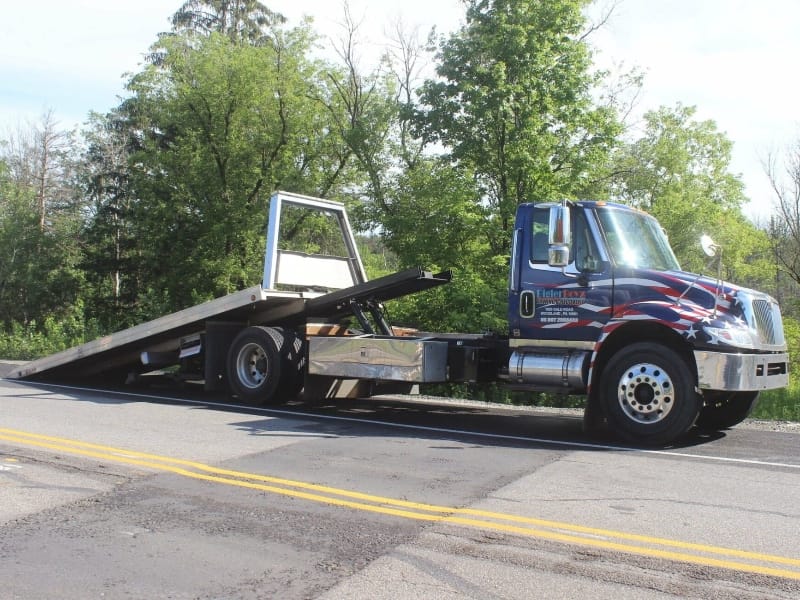
Not Every Tow Is the Same: How We Tow Without Damage
There’s no single “correct” way to tow a vehicle. It depends entirely on your car’s drivetrain and its situation. The key is knowing what kind of tow your car needs and executing it properly. We always ask questions before we hook up a car: What type of vehicle is it? Where is it located? Is the car driveable? This helps us determine which towing method to use:
- Flatbed towing: The gold standard for transmission safety. All four wheels stay off the ground, so there’s no movement in the drivetrain.
- Wheel-lift towing: Safe for many cars, especially when we lift the non-driven wheels. For front-wheel-drive vehicles, we lift the front. For rear-wheel, we lift the rear.
- Dolly towing: Common with RVs or long-distance hauls. Keeps the drive wheels elevated.
And yes, for automatic or all-wheel-drive vehicles, flatbed is typically the safest bet. So if you’re searching for Altoona towing that won’t risk your transmission, flatbed towing is often the answer and we’ve got plenty of them.
When Damage Can Happen (and Why It Doesn’t With Us)
Transmission damage during towing happens in specific situations and they’re all preventable with proper care. The most common causes?
- Towing with the drive wheels on the ground without disconnecting the driveshaft.
- Towing a vehicle in gear instead of neutral.
- Improper tie-downs causing stress on drivetrain components.
All of these are rookie mistakes. We avoid them by following a careful checklist for every job. With every Altoona towing job we undertake, we treat every car like it’s our own, because we know how quickly bad towing can turn into expensive repairs.
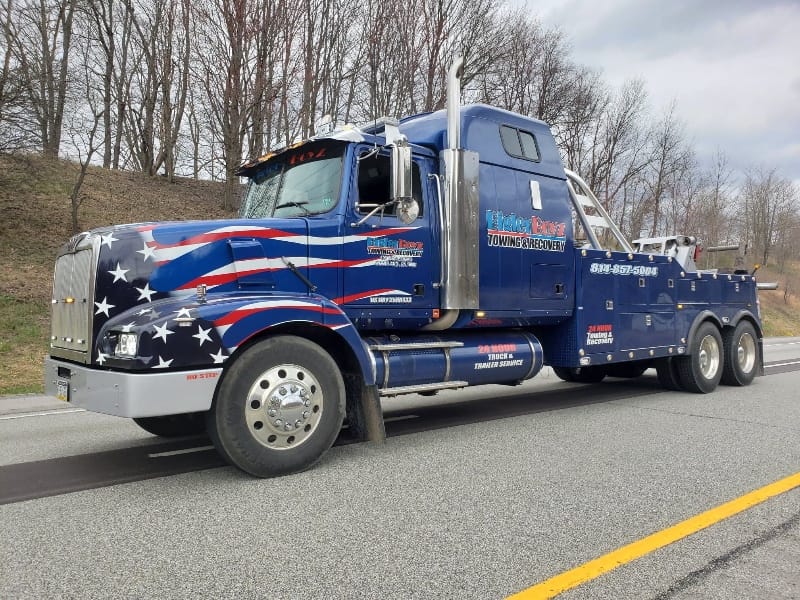
Bigler Boyz: Altoona Towing That Knows How to Handle Your Transmission
At Bigler Boyz, we’ve made Altoona towing our business and protecting your car is part of that. You don’t have to stress about transmission damage when your car needs a tow. We show up with the right equipment, ask the right questions, and treat every car with the attention it deserves. Our Altoona towing team knows how to move your vehicle safely, without causing extra problems along the way.
So if you’re ever stuck, stalled, or need a lift across town, reach out to Bigler Boyz. We’ll take care of your car, and yes, your transmission too, with the care and know-how that comes from years on the job.
Need help fast? Our Altoona towing team is ready when you are.
FAQ
Can towing damage an automatic transmission?
It can if done incorrectly, but using the right towing method and equipment helps avoid any transmission problems.
What type of tow truck is safest for my car?
A flatbed tow truck is generally the safest option because all four wheels stay off the ground during transport.
Is it bad to tow a car in park?
Towing a car in park can cause damage unless it’s loaded onto a flatbed where the wheels do not move.
Do all-wheel drive vehicles need special towing?
Yes, all-wheel drive cars often require a flatbed tow to prevent drivetrain or transmission damage.
How do tow companies know how to tow each car?
They ask for details about your vehicle’s make, model, and drivetrain to choose the right towing method.
Should I put my car in neutral before it gets towed?
In most cases, yes. It helps prevent strain on the drivetrain when the drive wheels are on the ground.