
Measure Twice, Pull Once
Heavy loads DO NOT care what the schedule says: if the site is muddy, the trailer is sitting wrong, or the route has a restricted bridge… that means the plan of our towing team has to change before the move starts. That’s just the normal course of action for a for I-80 heavy transport.
Most people only see the last part of the job. The truck arrives, the load gets secured, and traffic starts moving again. What they do not see is the phone work, measuring, route checking, and problem solving that happens first.
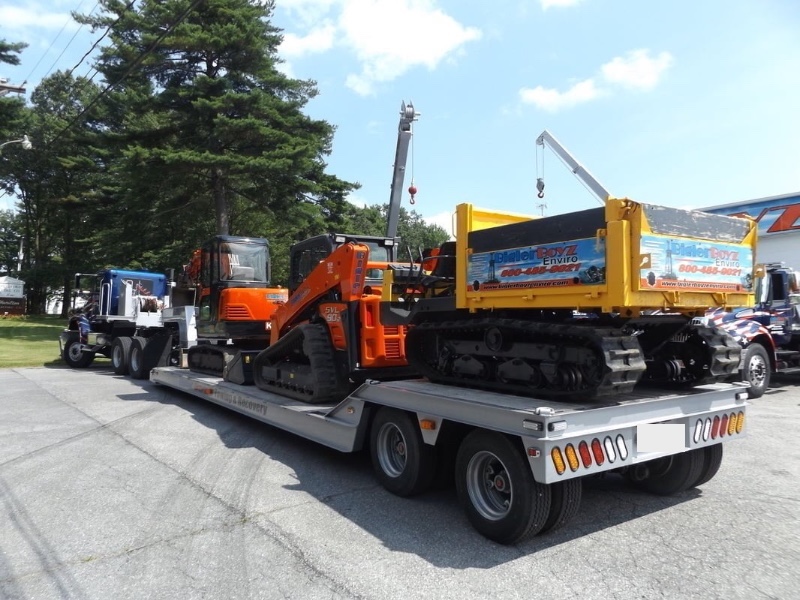
The Route Has to Work in Real Life
A route can look fine on a screen and still be wrong for a heavy load. We have seen drivers get sent toward tight ramps, soft shoulders, low bridges, and construction zones where the lane is squeezed between concrete barriers.
Routes can change fast. Think of lane closures, wind, backed-up exits, and winter road grime. It all affects a heavy haul. And that’s why we have to look at the whole path, not just the mileage.
Clearance and access usually cause the first headache
The pickup point matters as much as the road. A muddy equipment yard, narrow gate, or steep driveway can slow the whole job before the trailer is even lined up.
We usually have to check for things like:
- Bridge heights
- Weight limits
- Shoulder conditions
- Tight turns
- Railroad crossings
- Room to load and chain down
One bad turn can eat up an hour. Or derail the entire transport project.
Weight, Balance, and Timing All Matter
Heavy transport planning starts with weight, but it does not stop there. A machine that weighs the right amount can still be awkward if the center of gravity sits high or the tie-down points are poor.
Timing matters too. For I-80 heavy transport, leaving during the wrong traffic window can make a simple move harder than it needs to be.
Weather is a Major Factor
Wind gets ignored too often. Tall loads, portable offices, lifts, and empty containers can move around more than people expect when crosswinds pick up across open stretches. Rain creates its own mess. Muddy sites make loading slower, and wet shoulders give less room for error. In winter, I-80 heavy transport can mean dealing with frozen brakes, icy ramps, and longer stopping distance.
Equipment Choice Beyond Truck Size
For I-80 heavy transport, we match the truck and trailer to the load, not just the weight on paper. Length, axle placement, ground clearance, and loading angle all matter.
We have moved equipment that technically fit the trailer but still needed blocking because the approach angle was too steep. That kind of thing is common. Planning keeps it from turning into scraped metal, damaged ramps, or a load that has to be reset.
The operator’s judgment counts
A good driver knows when to slow the job down. That might mean repositioning the trailer, checking the chains again, or walking the exit path before pulling out. Little decisions stack up. A rushed setup can turn into a stop on the shoulder later, and nobody wants to fix load securement next to fast-moving traffic.
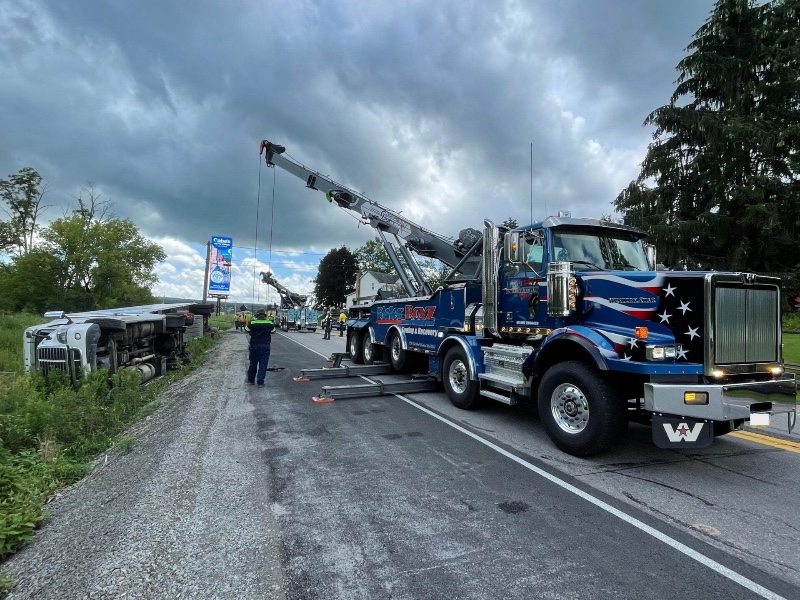
Bigler Boyz Towing Knows the Details Behind I-80 Heavy Transport
At Bigler Boyz Towing, I-80 heavy transport calls can involve construction equipment, forklifts, disabled box trucks, loaded trailers, and machinery that has to move from one lot to another without turning the job into a bigger mess.
We plan these jobs around the roads we actually work on. I-80 heavy transport can mean checking construction zones, watching the weather, finding a safe place to stage, and making sure the load can get out of the pickup site before it ever reaches the interstate. Around here, the small details usually decide how smooth the move feels.
FAQs
What can delay a heavy equipment move?
Permits, weather, traffic, and loading problems slow jobs down most often. Soft ground and tight loading areas also create delays. Sometimes the equipment itself needs adjustments before transport starts.
Do oversized loads always need an escort vehicle?
Not always. It depends on the load size, permit rules, and route conditions. Taller or wider equipment is more likely to need one.
How do operators prevent equipment from shifting during transport?
Chains, binders, blocking, and proper weight balance keep the load stable. Operators also stop during longer trips to recheck securement. Rough roads can loosen things over time.
Can rain stop a transport job?
Yes, especially on dirt lots or construction sites. Wet ground makes loading harder and increases the risk of trailers sinking or sliding. High wind can also shut certain moves down.
What kinds of equipment are hardest to move?
Tall equipment and machines with uneven weight distribution cause the most trouble. Some loads fit the trailer but still create clearance or balance issues. Older equipment can also have weak tie-down points.
How far ahead should heavy hauling be scheduled?
A few days is usually better than waiting until the last minute. Permit approval, route checks, and truck availability all take time. Emergency moves still happen, but they are harder to coordinate.